
Telemedicine & Virtual Healthcare: Their Impact on Injury Claims and Evidence Gathering
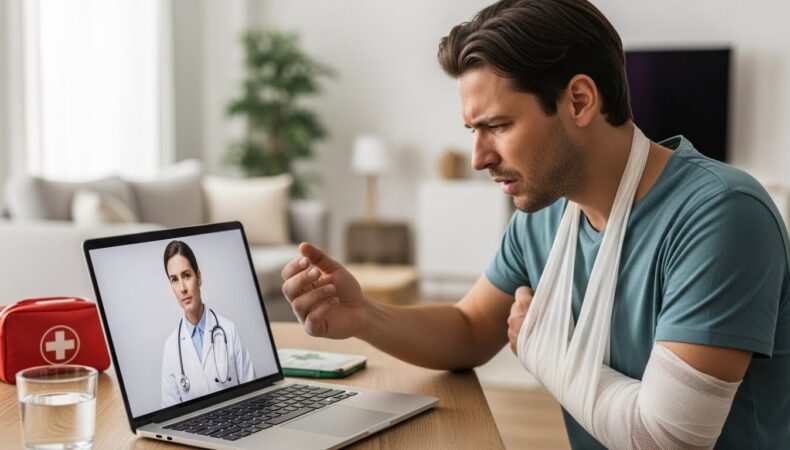
The rise of telemedicine and virtual healthcare has transformed how accident victims receive treatment—and how lawyers gather medical evidence for injury claims. As remote medical care becomes mainstream in 2025, virtual consultations, digital diagnostic tools, and telehealth records now play a much bigger role in determining compensation. For many victims, telemedicine has become more than just convenient—it is a critical part of their personal injury case.
Why Telemedicine Matters in Modern Injury Claims
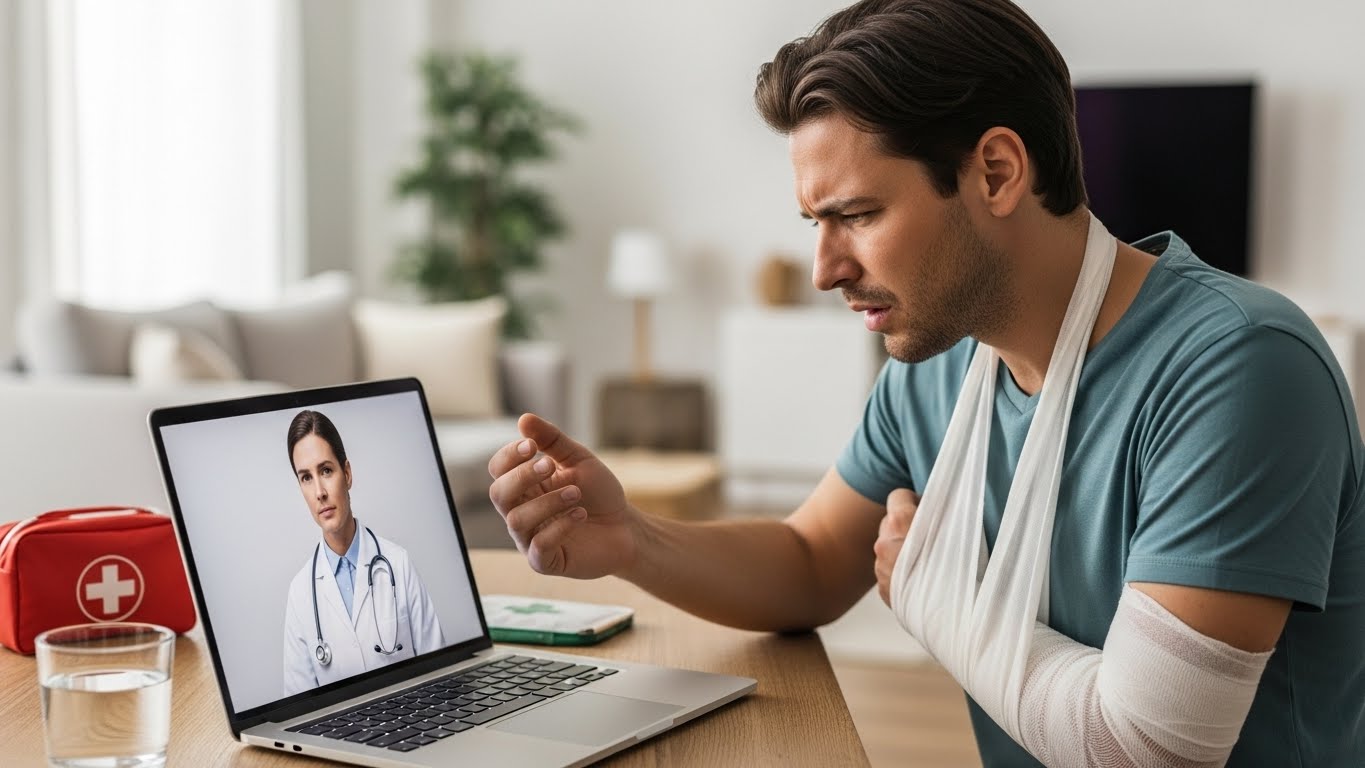
In traditional personal injury cases, physical medical visits were the primary source of documentation. Doctors performed in-person exams, took X-rays, and provided written reports that attorneys used as evidence. But after the pandemic and the rapid adoption of virtual health tools, many accident victims are now treated remotely—especially for follow-up care, pain management, therapy, and psychological evaluations.
This shift has changed how insurance companies, lawyers, and courts evaluate medical legitimacy. Telemedicine is now considered a valid and credible form of medical evidence when properly documented. For victims who cannot travel due to pain, disability, or lack of transportation, remote care is also more accessible and consistent.
How Telemedicine Enhances Evidence Gathering
One of the biggest advantages of telehealth is the immediate creation of digital records. These records are timestamped, organized, and easy to share—making them valuable in injury claims. Here are key ways telemedicine strengthens medical evidence:
- Instant documentation. Every consultation generates a digital report that can be submitted as evidence.
- Video consultations as supporting proof. Some exams can be recorded (with permission), helping demonstrate symptoms over time.
- More consistent follow-ups. Victims are more likely to attend appointments because remote visits require no travel.
- Accurate injury progression tracking. Doctors can monitor changes in pain, mobility, and mental health through regular online check-ins.
- Better organization. Digital files reduce the chance of lost reports or incomplete documentation.
For injuries such as chronic pain, PTSD, emotional distress, soft-tissue injuries, or post-accident anxiety, virtual care is often as effective as in-person visits—and in some cases, even more detailed due to increased frequency.
Telemedicine in Psychological and Mental Health Injury Claims
Emotional trauma and psychological injuries have become increasingly recognized in personal injury law. Teletherapy and virtual psychiatric evaluations have made mental health treatment far more accessible, especially for victims dealing with:
- Post-traumatic stress disorder (PTSD)
- Anxiety related to driving
- Emotional distress after a violent or traumatic accident
- Chronic pain leading to depression
Teletherapy notes, diagnostic updates, and progress reports serve as crucial evidence when proving psychological harm. These digital records help validate claims of emotional suffering—an essential part of damages in modern personal injury cases.

Can Telemedicine Evidence Be Challenged?
While telemedicine is widely accepted, insurance companies may still challenge virtual medical reports, arguing:
- lack of physical touch prevents full diagnosis
- injuries are exaggerated when evaluated through video
- telehealth doctors rely heavily on patient self-reporting
An experienced personal injury lawyer can counter these challenges by presenting:
- multiple virtual exams documenting consistent symptoms
- objective digital evidence (photos, wearable-device data, remote imaging)
- expert testimony supporting telehealth’s reliability
- in-person follow-ups if needed
Courts now recognize that virtual healthcare is valid medical treatment—as long as it is properly documented and supported by professional records.
How Virtual Healthcare Improves Access for Injury Victims
Many accident victims struggle to attend physical appointments due to:
- mobility issues
- lack of transportation
- pain during travel
- distance from specialists
Telemedicine removes these barriers. This results in more consistent care, which is vital because gaps in treatment can weaken an injury claim. Insurance companies often argue that missed appointments show victims are “not truly injured.” Telehealth helps prevent those gaps.
Are Telemedicine Records Enough to Win a Case?
In many cases, yes—especially when injuries involve soft-tissue damage, emotional trauma, or long-term pain. However, severe injuries may still require:
- X-rays
- MRI or CT scans
- Orthopedic evaluations
- Surgical consultations
Telemedicine works best when combined with traditional diagnostics. Together, they create a complete picture of the victim’s health.
The Future: Digital Evidence in Personal Injury Claims
Telemedicine is just one part of the digital evolution of personal injury law. Other forms of virtual evidence are becoming more common, including:
- Wearable device data (Fitbit, Apple Watch)
- Patient health apps documenting pain levels
- AI-enhanced diagnostic imaging
- Digital accident reconstructions
As these tools improve, victims will have more ways to prove their suffering and strengthen their claims.
How Telemedicine Benefits Your Claim
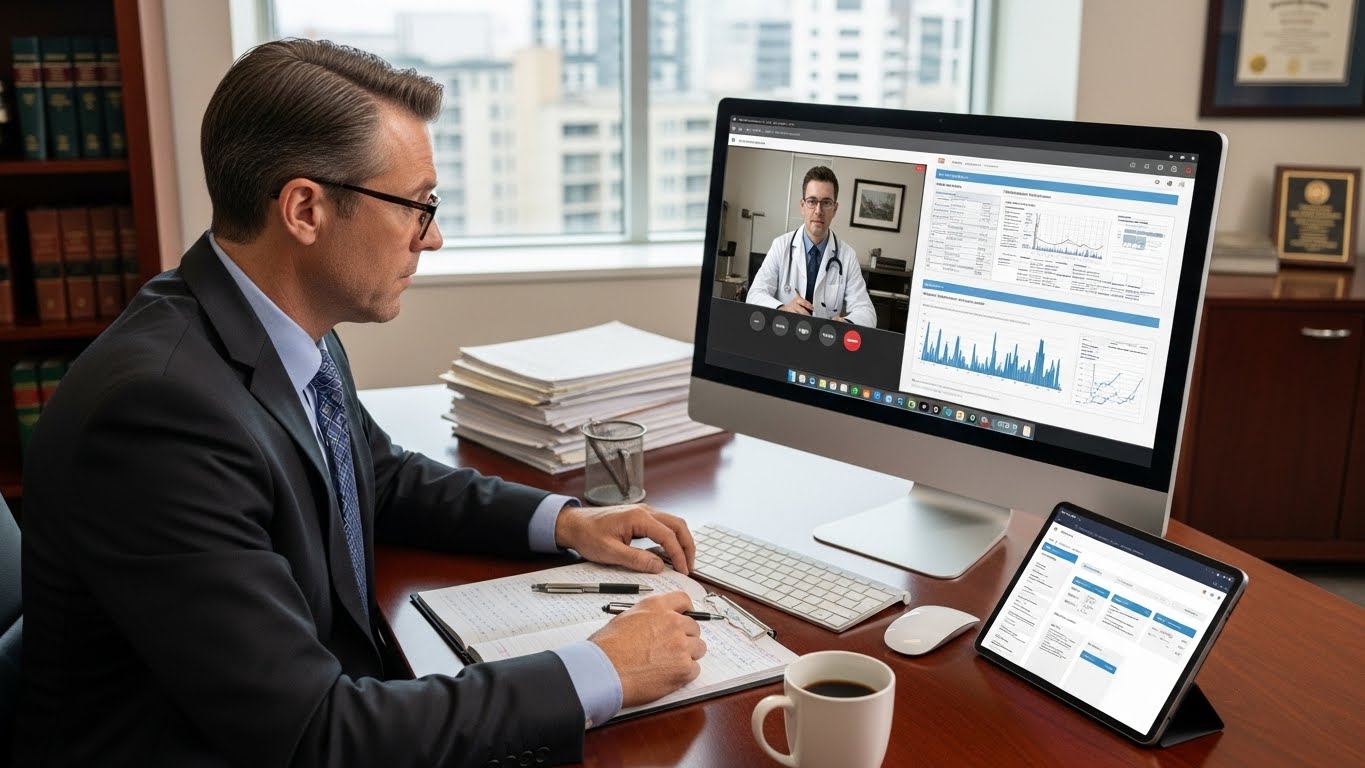
Telemedicine helps victims by:
- documenting symptoms immediately after the accident
- providing frequent check-ins for symptom tracking
- producing detailed digital records that lawyers can use as evidence
- reducing missed appointments that insurers could use against you
- allowing victims to access specialists they might not reach locally
When used correctly, telemedicine strengthens personal injury claims and provides a clearer timeline of the victim’s medical condition.
Internal Links to Strengthen SEO
- Link to your blog on What Is Product Liability?
- Link to Legal Duty of Property Owners
- Link to How Long Personal Injury Settlements Take
These internal links help build SEO relevance and improve site structure.
Final Thoughts
Telemedicine is no longer a backup option—it is a core part of modern healthcare and a powerful tool in personal injury claims. For accident victims, virtual appointments provide convenience, accessibility, and legally valuable documentation. As courts and insurance companies become more accepting of virtual evidence, telemedicine will continue shaping the future of injury law.
If you were injured in an accident and relied on telemedicine, your virtual health records can significantly support your claim. Make sure you save every report, attend all follow-up visits, and speak with a lawyer who understands how to maximize telehealth evidence for compensation.
Last modified: December 11, 2025