
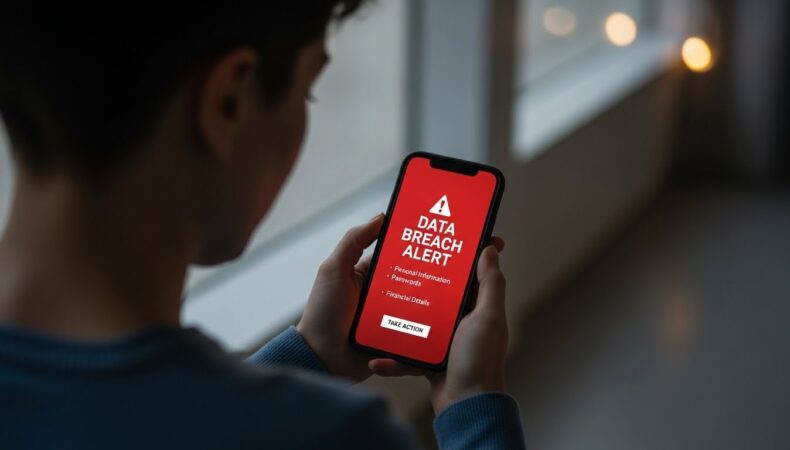
How Data Breaches and Cyberattacks Are Becoming Areas for Personal Injury Lawsuits
As cyberattacks grow more frequent and more severe, victims of data breaches are discovering that the damage goes far beyond lost passwords or compromised emails. In 2025, data breaches have become a major source of emotional distress, financial loss, anxiety, and long-term psychological harm—and courts are increasingly recognizing these harms as legitimate grounds for personal injury lawsuits.
What used to be considered a purely “technical issue” is now seen as a genuine personal injury when victims suffer fear, stress, identity theft, stalking, or financial devastation. Because of this shift, more law firms are taking on cyber-related injury cases, and more individuals are fighting back after their information is exposed.
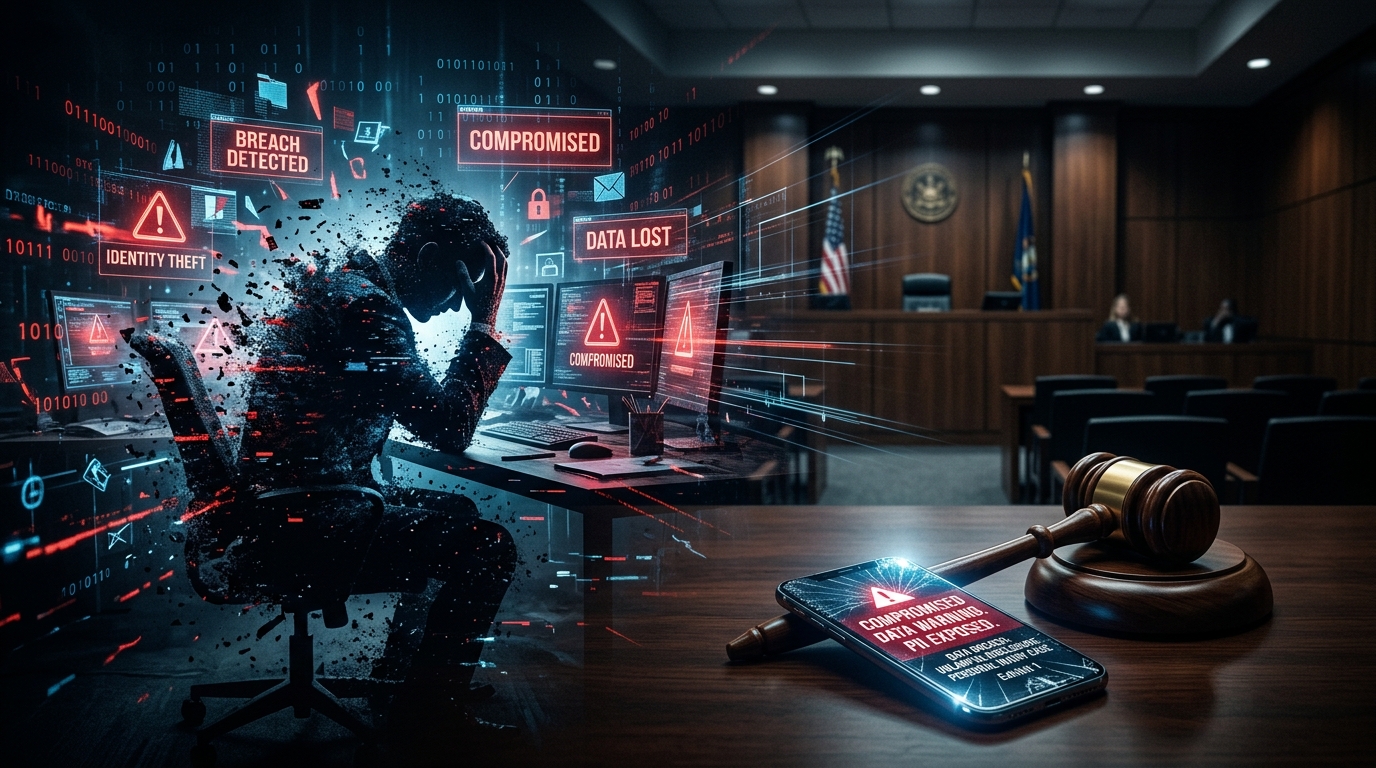
Why Data Breaches Are Now Considered Personal Injuries
For years, data breaches were treated as privacy violations or consumer-protection issues. But courts and lawmakers have begun to acknowledge a deeper truth: stolen personal data can cause real emotional and psychological harm. Victims may suffer:
- Anxiety and panic about identity theft
- Sleep problems caused by ongoing financial threats
- Loss of trust in financial or healthcare institutions
- Emotional distress from having sensitive private information exposed
- Financial hardship due to fraudulent charges or stolen identities
These impacts often meet the legal criteria for personal injury—particularly when the breach resulted from negligence by a business, employer, hospital, school, or government agency.
The Rise of Emotional Distress Claims After Data Breaches
One of the biggest shifts in recent years is the recognition of emotional distress as a compensable injury in data breach cases. Victims increasingly report fear, stress, and mental trauma, especially when sensitive information such as:
- medical records
- financial account numbers
- Social Security numbers
- private photos or communications
is leaked or stolen. Emotional distress claims are especially strong when the victim belongs to a vulnerable group, such as children, elderly adults, or abuse survivors whose private information carries extra risks.
Financial Harm as a Personal Injury
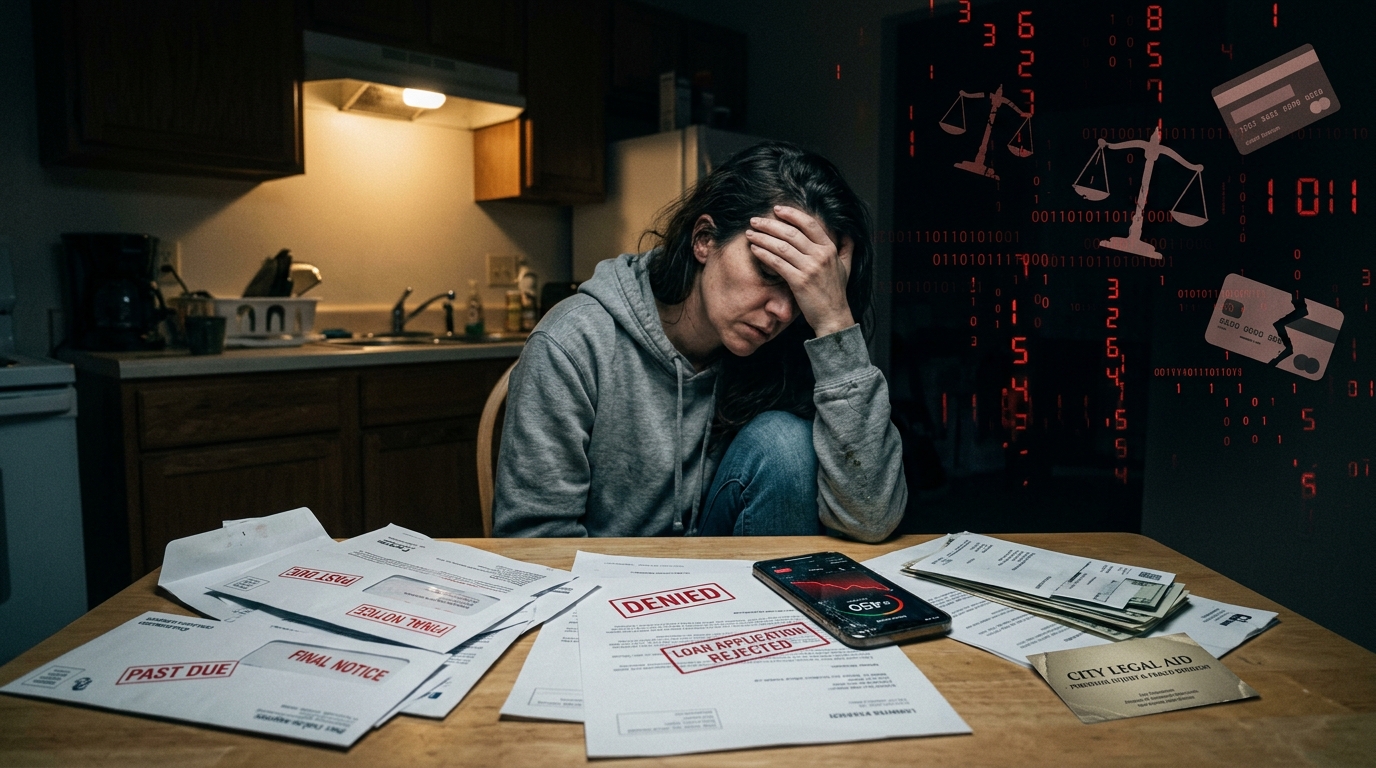
Identity theft can devastate a victim’s finances. Lawyers are now successfully arguing that financial hardship caused by a breach—including destroyed credit scores, loan denials, and months spent resolving fraud—is a form of personal injury because of the stress, time, and long-term consequences it creates.
In many cases, financial harm intertwines with emotional distress, making the victim eligible for more substantial compensation.
Who Can Be Held Liable for Cyberattack-Related Injuries?
Cybercriminals are not the only ones responsible. Most lawsuits focus on the organizations responsible for storing sensitive data. These entities have a legal duty to protect user information and can be held liable if they fail to implement reasonable security precautions.
Common defendants include:
- Hospitals and healthcare providers
- Retail companies
- Banks and financial institutions
- Employers
- Schools and universities
- Government agencies
Victims may have grounds for a lawsuit if the organization:
- failed to patch known vulnerabilities
- stored sensitive data without encryption
- failed to monitor suspicious login activity
- delayed notifying victims of the breach
- ignored cybersecurity best practices
These failures often constitute negligence—a key requirement for personal injury claims.
Types of Personal Injury Lawsuits Emerging from Cyberattacks
As courts adapt to digital threats, several new forms of lawsuits are becoming more common:
1. Emotional Distress & Mental Anguish Claims
Victims sue for therapy costs, anxiety, trauma, and ongoing fear caused by the breach.
2. Identity Theft & Financial Loss Claims
This includes reimbursement for fraudulent charges, credit repair costs, and long-term financial damage.
3. Medical Data Exposure Claims
Highly sensitive medical records—especially relating to mental health, reproductive health, or chronic conditions—can cause significant emotional harm if leaked.
4. Stalking, Harassment, or Safety-Related Claims
If leaked data leads to harassment, blackmail, or threats, victims may pursue additional damages.
5. Class Action Personal Injury Lawsuits
Major data breaches often affect thousands or millions of people. Victims can join together in class actions seeking compensation for emotional and financial harm.
How Lawyers Use Digital Evidence in These Claims
Unlike traditional personal injury cases involving physical injuries, cyber-related lawsuits rely heavily on digital evidence. Attorneys may gather:
- data breach notification letters
- emails showing delayed disclosure
- security audit reports
- expert cybersecurity analysis
- financial records showing identity theft
- logs proving unauthorized access
Digital trails help establish when the breach occurred, how it happened, and what data was exposed—critical factors in proving causation and damages.

How Victims Can Strengthen Their Case
If someone has been affected by a data breach, they can improve their chances of compensation by:
- saving all breach notification letters
- monitoring credit reports regularly
- documenting emotional distress (sleep issues, anxiety, stress)
- keeping records of fraudulent charges
- obtaining therapy or counseling documentation
- working with a lawyer experienced in cyber-related claims
Consistent documentation often makes or breaks a personal injury claim involving a cyberattack.
Internal Links to Strengthen SEO
The Future of Personal Injury: Cyber Harm Is Here to Stay
Cyberattacks are no longer rare events—they’ve become a daily reality for individuals and businesses. As the legal system evolves, victims of data breaches now have more pathways to claim compensation for emotional distress, financial harm, and long-term trauma.
The growing recognition of cyber-related personal injuries shows that digital harm is real harm. Whether the exposure involves medical data, financial information, or deeply personal records, victims deserve protection—and compensation—when negligence leads to devastating consequences.
If you were affected by a data breach or cyberattack, you may be entitled to pursue a claim for the emotional and financial injuries you suffered. Speaking with a lawyer who understands both cybersecurity and personal injury law can help you determine your best options for recovery.
Last modified: July 7, 2026