

Remote Work Injuries & Employer Liability: What You Should Know in the Gig Economy Era
The rise of remote work and gig-based employment has changed the landscape of workplace injuries. More people than ever now work from home, coworking spaces, coffee shops, and even while traveling. But what happens when someone gets injured in a nontraditional workplace? Who is responsible, and can the worker still file a claim?
Whether you’re a full-time employee working from home or a gig worker completing tasks remotely, understanding your legal rights is essential. This guide explains how remote work injuries happen, when employers are liable, and how compensation works in the gig economy era.

Are Remote Work Injuries Covered by Workers’ Compensation?
Yes — in many cases, injuries that occur during remote work are covered by workers’ compensation. The key is proving that the injury occurred “within the course and scope of employment.” Whether you tripped over clutter near your workstation or suffered carpal tunnel from repetitive tasks, the location matters less than the activity.
Common Remote Work Injuries That May Qualify
- Repetitive strain injuries like carpal tunnel syndrome
- Neck and back injuries from poor ergonomic setup
- Slip-and-fall accidents while performing work-related tasks at home
- Eye strain or headaches from excessive screen exposure
- Mental stress-related conditions tied to work duties
However, remote workers must still show that the injury happened during work hours and arose out of job duties — which can be more complex without in-office supervision.
When Is an Employer Liable for Remote Work Injuries?
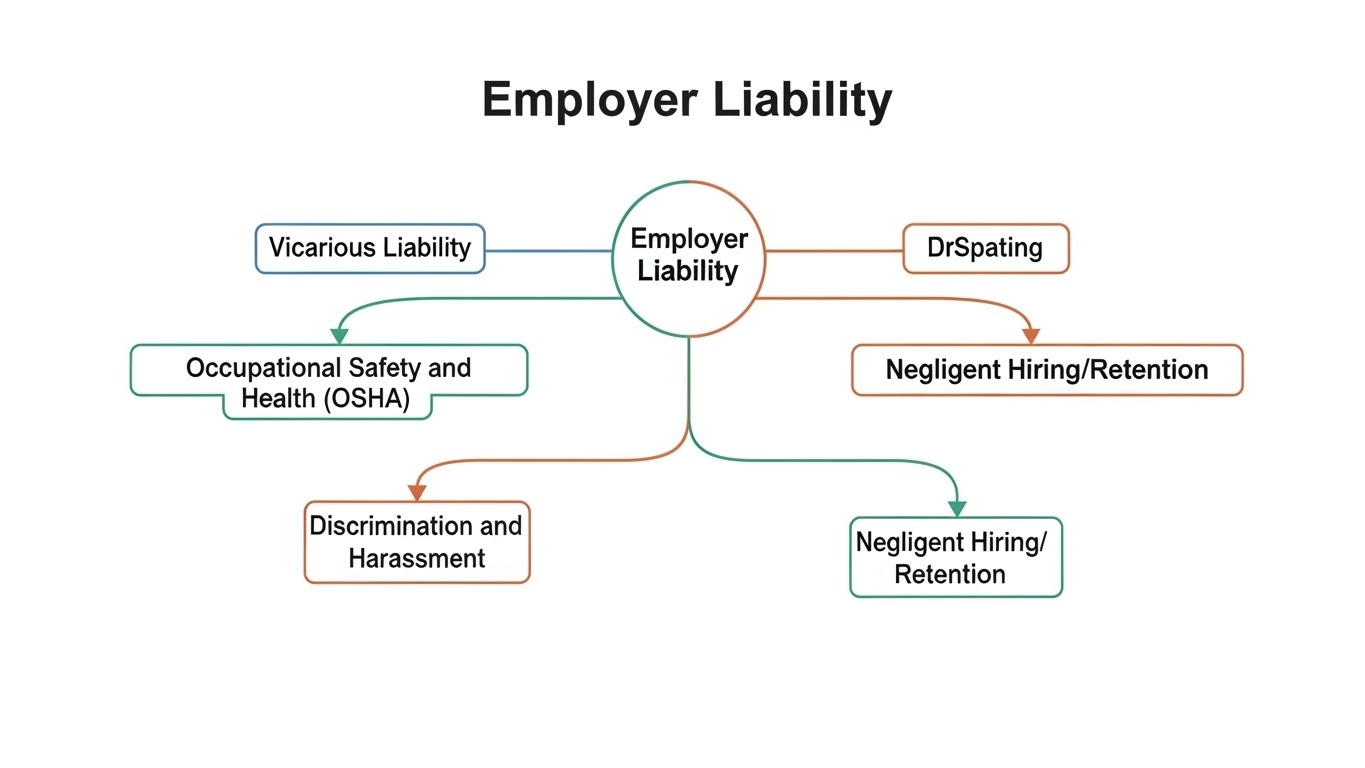
Employer liability does not end when employees stop coming to the office. Employers must still ensure a reasonably safe work environment, even if that environment is a home office. Liability depends on factors such as:
- Whether the injury occurred while performing work tasks
- Whether the employer provided proper training or equipment
- Whether negligence or lack of guidance contributed to the injury
Many employers now conduct optional ergonomic assessments or provide stipends for remote workstations. Failure to support proper workplace safety may strengthen an injury claim.

The Challenge of Proving Remote Workplace Injuries
One of the biggest obstacles remote workers face is proving that an injury is work-related. Without witnesses or office logs, employers and insurance companies often dispute the validity of claims.
Important Evidence for Remote Injury Claims
- Time-stamped emails or work activity logs
- Photos of the work environment
- Doctor’s notes linking injury to job duties
- Proof of work hours or assigned tasks at the time of injury
Documentation is crucial. For injuries involving repetitive strain or chronic pain, medical records will be the strongest piece of evidence.
Gig Workers & Remote Work Injuries: Are They Protected?
Gig workers — such as freelance designers, virtual assistants, content creators, or contract developers — are typically classified as independent contractors. This makes injury compensation complicated because contractors do not automatically qualify for workers’ compensation.
However, some exceptions exist. A gig worker may still have a valid claim if:
- The company controlled how, when, and where they performed tasks
- The worker was misclassified and functionally acted as an employee
- The company provided tools, equipment, or mandatory schedules
Misclassified workers have successfully won workers’ comp and personal injury claims against companies that exercised too much control.
Employer Safety Obligations in a Remote World
Even when employees work remotely, employers must fulfill certain legal obligations, such as:
- Providing safety training and ergonomic guidelines
- Offering equipment or stipends for proper workstation setup
- Implementing remote safety policies or reporting procedures
- Complying with state and federal workplace safety standards
Failure to meet these obligations can lead to employer liability — especially if the injury stems from insufficient guidance or unsafe expectations, such as excessive overtime without breaks.
Can Remote Workers Sue Their Employer?
In most states, workers’ compensation is the exclusive remedy against an employer — meaning employees generally cannot sue their employer directly. However, exceptions exist:
You may sue if:
- The employer acted with gross negligence or intentional harm
- A third party contributed to the injury (e.g., defective equipment)
- You were misclassified as a contractor instead of an employee
In many remote work injury cases, claims may involve multiple parties, especially if ergonomic devices, software, or work tools were defective.
How to Protect Yourself After a Remote Work Injury
If you suffer an injury while working from home or in a gig setting, take these steps to protect your rights:
- Document everything. Take photos of your home office, injuries, and workstation.
- Report the injury immediately to your employer or platform.
- Seek medical care as soon as symptoms appear.
- Keep records</stron
Last modified: December 11, 2025