
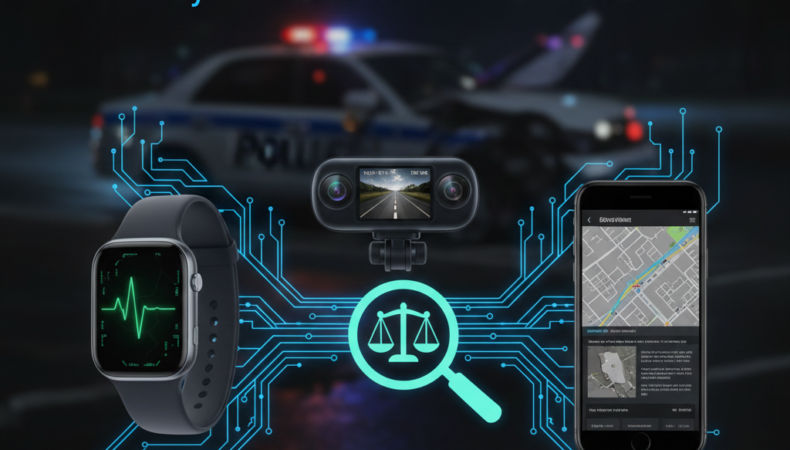
When Wearables, Dashcams & Phones Become Key Evidence: Digital Proof in Modern Accident Cases
Accidents today leave behind more than just physical damage—they leave digital footprints. From wearable devices that detect sudden heart-rate spikes to dashcams capturing collisions and smartphones recording activity, modern technology is transforming how personal injury claims are proven in court. Digital evidence can confirm fault, dispute insurance claims, and provide an objective record of events that traditional eyewitness testimony may not fully capture.
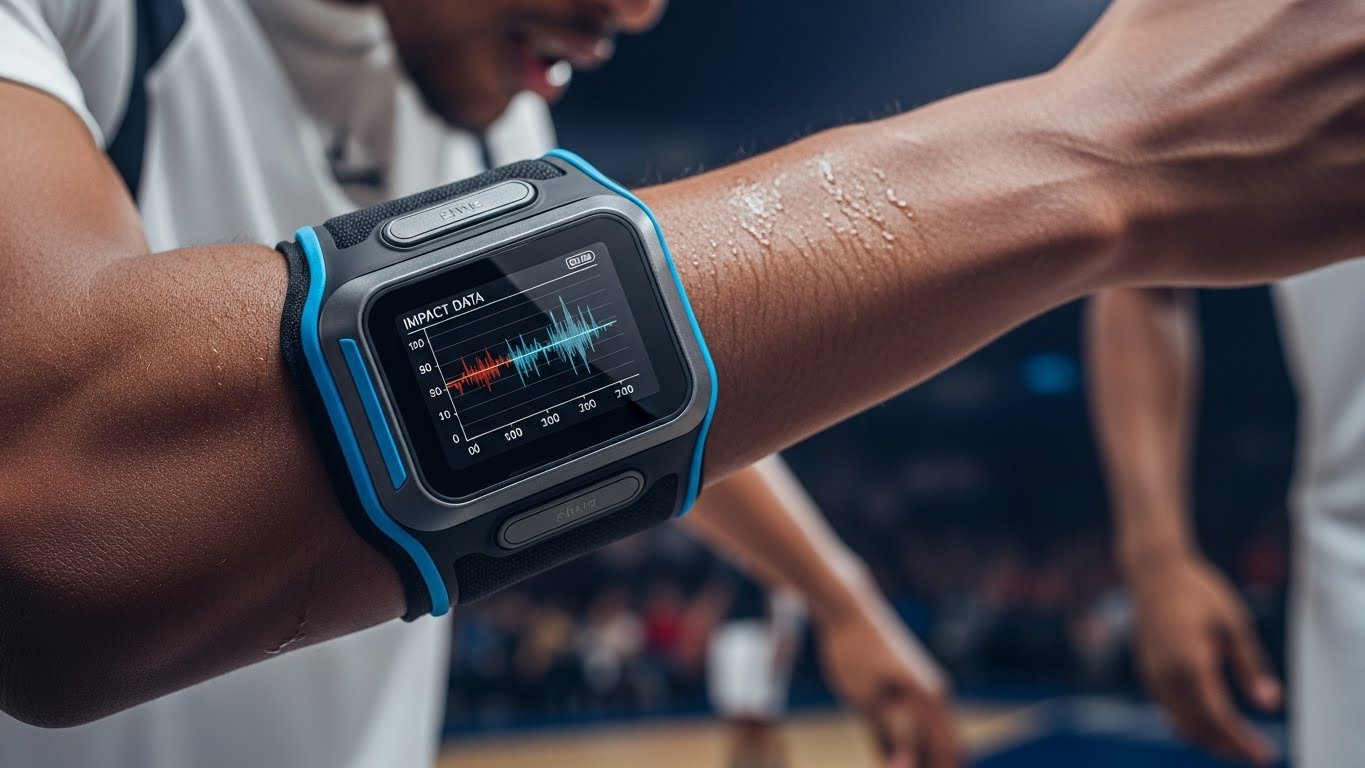
Wearables: Your Wrist Becomes a Witness
Smartwatches, fitness trackers, and other wearable devices can track a wide range of data, including:
- Heart-rate spikes at the moment of injury
- Step counts and activity levels before and after an accident
- Fall detection alerts
- GPS location during movement or incidents
- Sleep disruption due to injury or stress
Lawyers can use this data to corroborate the time and severity of an injury, show physical limitations, and support claims for pain and suffering. Courts are increasingly accepting wearable data as credible, objective evidence in personal injury cases.
Dashcams: The Most Reliable Eyewitness
Dashcams, whether installed in personal vehicles, rideshare cars, or commercial trucks, capture real-time video that can be crucial in accident claims. They may record:
- The exact moment of collision
- Speed, braking, and evasive actions
- Road conditions and hazards
- Erratic or distracted driving
- Rear-end collisions or hit-and-run incidents
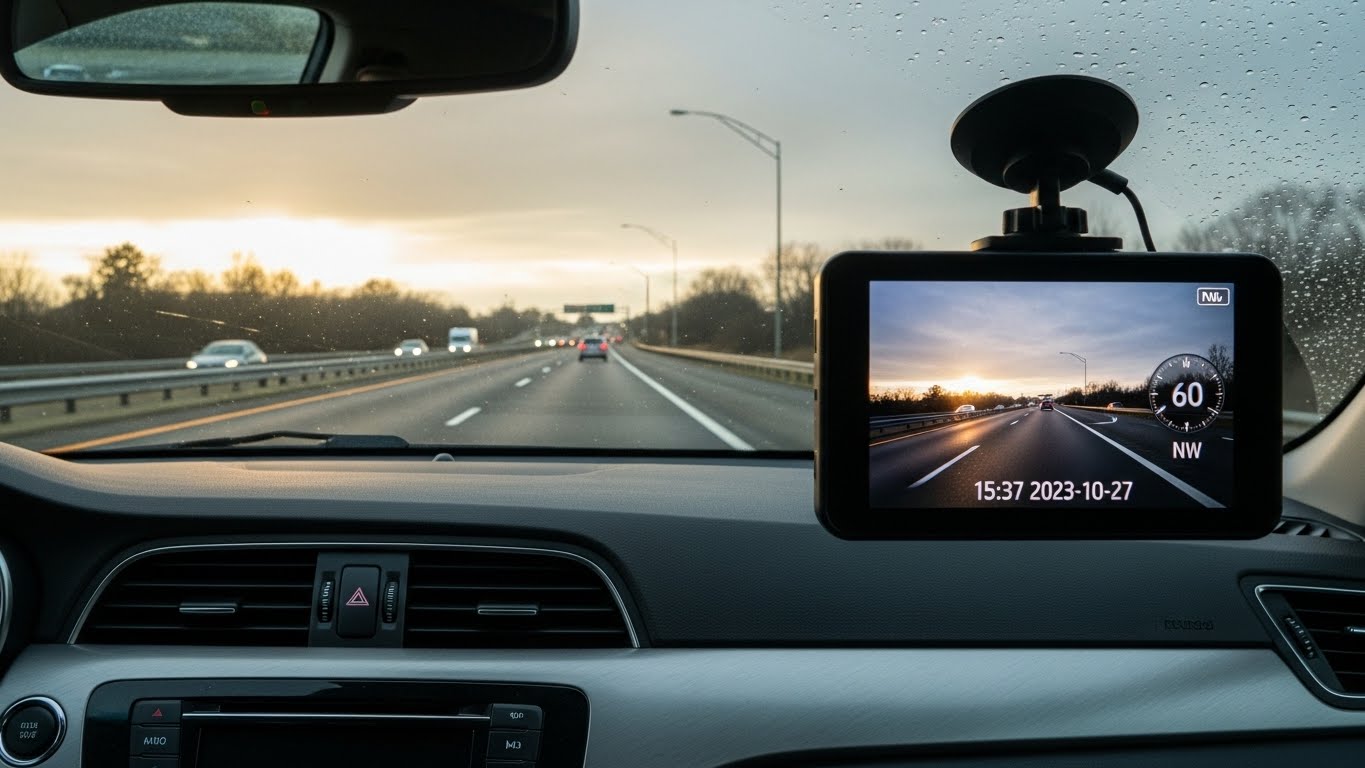
Dashcam footage provides indisputable evidence of fault, helps dispute false insurance claims, and can speed up settlements by clearly showing how an accident occurred.
Smartphones: The Digital Record of Everyday Life
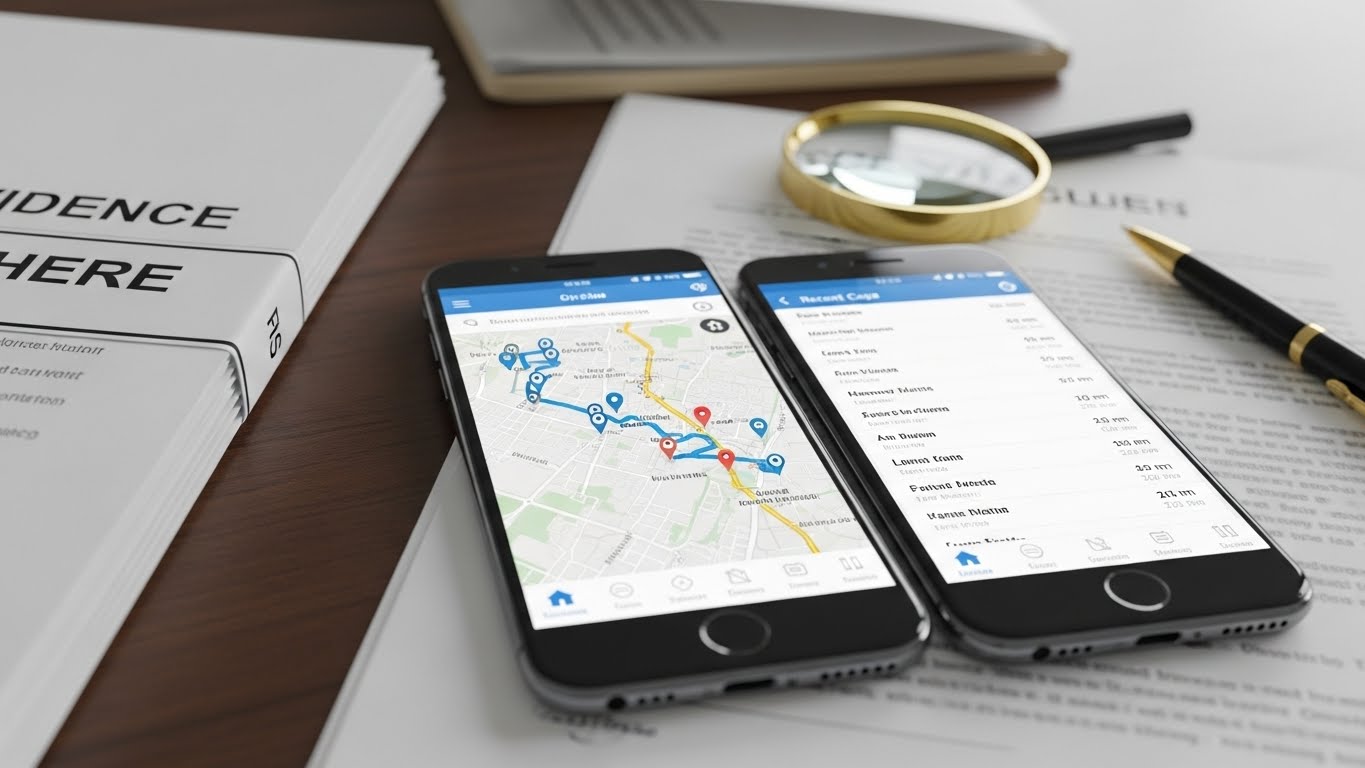
Smartphones are treasure troves of evidence. They can show:
- Text messages, calls, and app activity
- GPS location history and routes traveled
- Photos and videos of the scene
- Health app data showing activity or stress levels
Phone data is especially useful in distracted driving or accident cases where timing, location, and activity are disputed. For example, text logs can confirm whether a driver was using a phone or GPS at the time of an accident.
Vehicle Telematics and “Black Box” Data
Modern vehicles record crucial information, including:
- Speed and braking patterns before a collision
- Steering inputs and airbag deployment
- Seatbelt usage at the time of impact
These “black box” recordings can help reconstruct the accident with precise data, often revealing the true cause and establishing liability.
Rideshare & Delivery App Logs
Apps like Uber, Lyft, DoorDash, and Grubhub maintain detailed records of trips, including:
- GPS routes and travel speed
- Start and end times of work shifts
- Delivery or passenger pick-up timing
This data can determine whether a driver was on duty, following company policies, or engaging in unsafe behavior at the time of an accident. It also affects liability in cases where multiple parties may share responsibility.
Why Digital Evidence Matters in Modern Accident Cases
Digital proof is:
- Objective: Unlike eyewitness testimony, data isn’t affected by memory or bias.
- Time-stamped: Confirms exactly when events occurred.
- Harder to dispute: Insurance companies and courts often rely on device data for verification.
With growing technology use, courts increasingly accept wearable, dashcam, and smartphone data as credible evidence, which can significantly strengthen your personal injury claim.
How Lawyers Use Digital Evidence
Personal injury attorneys can leverage digital evidence to:
- Subpoena phone, app, or wearable records for litigation
- Recover deleted or cloud-stored data
- Analyze vehicle telematics to reconstruct collisions
- Demonstrate injury severity and impact on daily life
- Negotiate faster settlements based on objective evidence
Tips for Accident Victims
- Keep all wearable, dashcam, and phone data immediately after an accident.
- Document photos, videos, and app screenshots from the scene.
- Do not delete or alter any relevant digital information.
- Share your data only with your attorney to maintain credibility.
- Consult a lawyer experienced in digital evidence for personal injury cases.
Key Takeaways
- Wearables, dashcams, and phones are increasingly vital evidence in accident cases.
- Digital data can help prove fault, confirm injury timing, and support compensation claims.
- Proper collection and preservation of digital evidence are critical to maximizing your claim.
- Consulting a lawyer ensures the evidence is legally admissible and strengthens your case.
For more insights on personal injury evidence and modern accident law, check out related guides such as Types of Product Defects and Signs Your Injury Claim Is Being Lowballed.
Last modified: December 11, 2025