
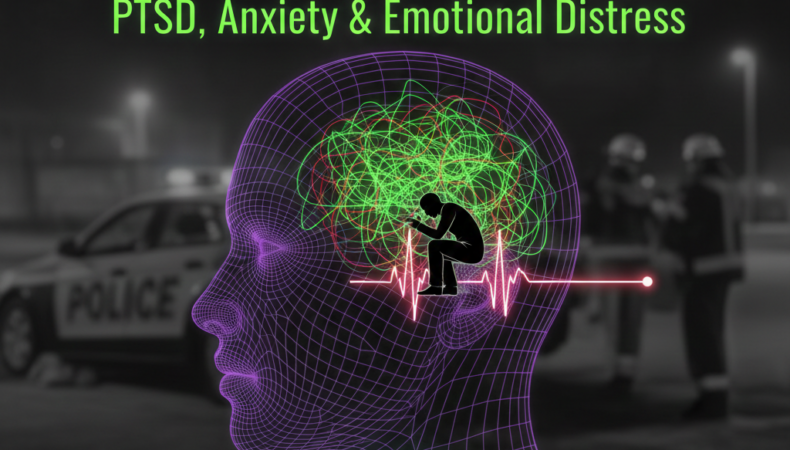
The Growing Role of Mental Health Claims After Accidents: PTSD, Anxiety & Emotional Distress
Accidents often leave behind more than visible injuries. Mental health conditions such as PTSD, anxiety, and emotional distress are increasingly recognized as legitimate injuries in personal injury claims. These psychological impacts can significantly affect a victim’s daily life, work, and relationships, and legal systems are beginning to adapt to properly address them.

Understanding PTSD and Emotional Distress After Accidents
Post-Traumatic Stress Disorder (PTSD) can develop after serious accidents, particularly those involving violence, life-threatening scenarios, or traumatic events. Symptoms may include:
- Flashbacks or vivid recollections of the accident
- Severe anxiety or panic attacks
- Sleep disturbances or insomnia
- Depression or emotional numbness
- Avoidance of reminders related to the accident
Even accidents that seem minor physically can trigger significant psychological effects. Emotional distress can manifest as persistent sadness, irritability, or difficulty functioning in daily life.
How Mental Health Claims Are Evaluated
Courts and insurance companies now increasingly recognize emotional injuries as part of personal injury claims. Key factors in evaluating mental health claims include:
- Medical documentation from psychiatrists, psychologists, or therapists
- Evidence linking symptoms directly to the accident
- Impact on daily life, work, and social functioning
- Consistency in treatment and symptom reporting
Documentation is crucial. Medical records, therapy notes, and detailed personal journals can strengthen your claim.
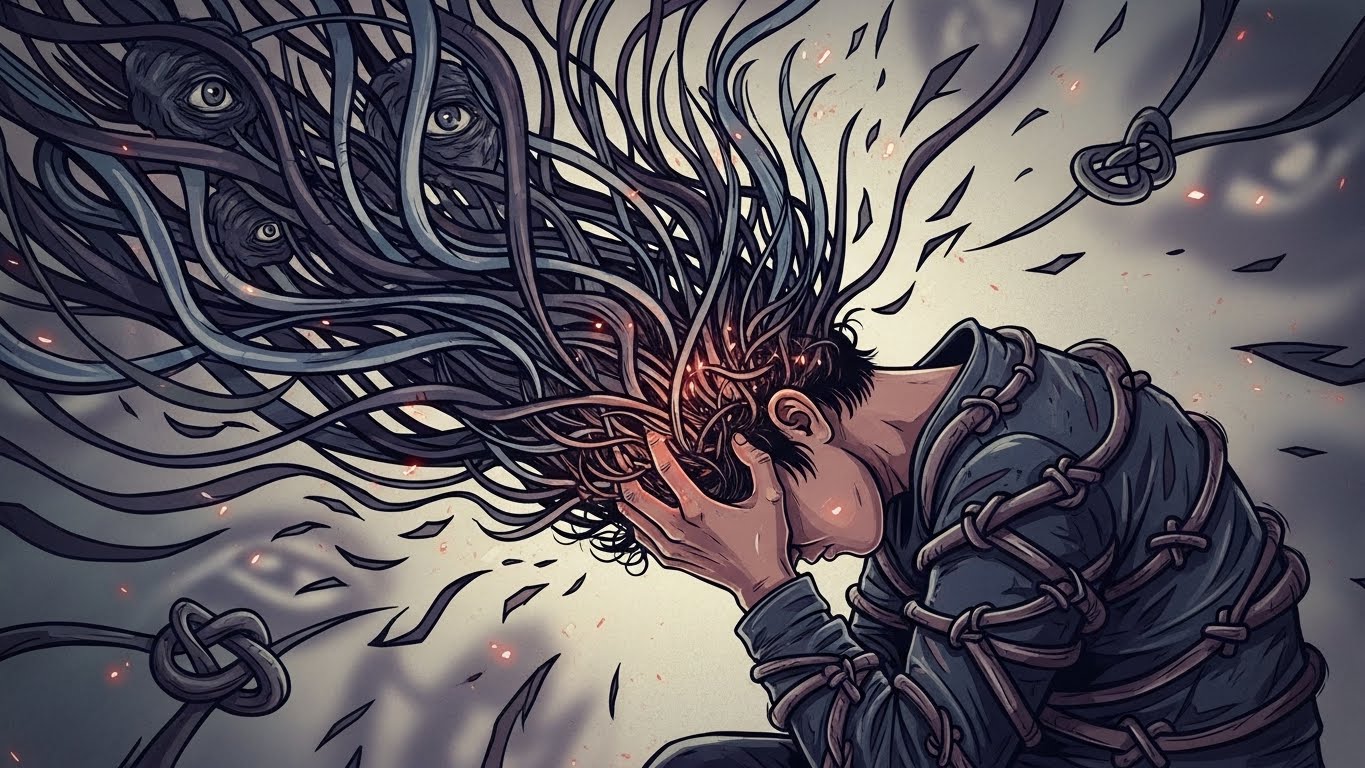
Insert Image 2 – Illustration of Anxiety and Stress
Legal Strategies for Mental Health Claims
Attorneys handling mental health claims after accidents often:
- Collect comprehensive medical and therapy records
- Document the accident scene, witnesses, and severity
- Demonstrate how the injury directly causes psychological harm
- Coordinate expert testimony from mental health professionals
Establishing a clear link between the accident and the mental health condition is essential for success.
Combining Physical and Emotional Injury Claims
Many victims experience both physical and psychological effects. Courts recognize combined claims, allowing victims to recover compensation for:
- Medical bills and therapy costs
- Lost wages due to emotional distress
- Pain and suffering damages
- Long-term emotional and social impact
Claims that consider both mental and physical injuries typically result in more comprehensive compensation.

Tips for Victims Seeking Mental Health Compensation
- Seek immediate psychological support after an accident
- Keep detailed records of symptoms, therapy sessions, and medications
- Report the accident promptly to insurance or employers
- Consult an experienced personal injury lawyer who handles mental health claims
- Preserve all communications and documentation related to treatment
Key Takeaways
- Mental health injuries, including PTSD, anxiety, and emotional distress, are increasingly recognized in accident claims.
- Proper documentation and medical support are essential for a successful claim.
- Combining mental and physical injuries can strengthen compensation claims.
- Legal guidance is crucial to navigate insurance and court requirements.
For more related insights, check out our guides: Signs Your Injury Claim Is Being Lowballed and What Is Negligent Security?.
Last modified: December 11, 2025