Who Is Liable in Accidents Involving Autonomous Delivery Robots?
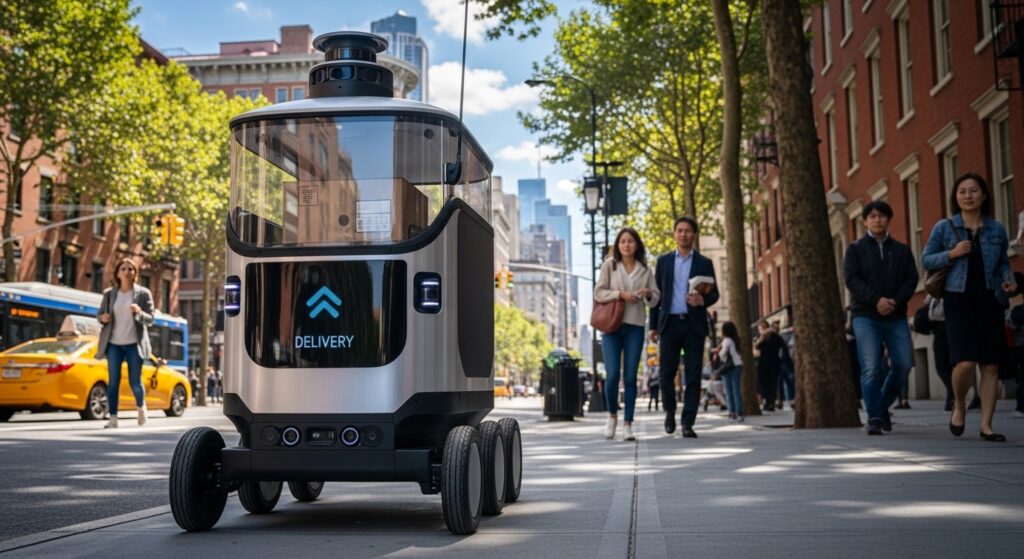
Autonomous delivery robots are quickly becoming a common sight in urban neighborhoods, college campuses, and business districts. Designed to transport food, groceries, and small packages, these self-driving machines promise convenience and efficiency. However, as their presence grows, so do concerns about safety and legal accountability.
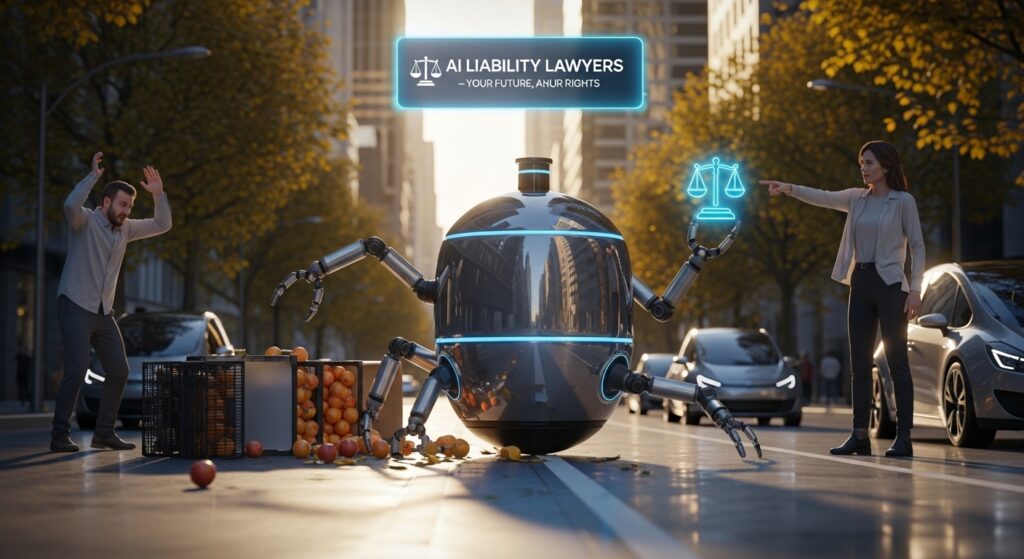
When an accident occurs involving one of these robots—whether it injures a pedestrian, damages property, or disrupts traffic—the question becomes: who is legally responsible?
The Rise of Autonomous Delivery Robots
Companies like Starship Technologies, Amazon, and FedEx have invested heavily in robotic delivery systems. These robots use sensors, cameras, and AI-driven navigation to move through sidewalks and streets with minimal human intervention.
While they are designed to avoid obstacles and operate safely, they are not foolproof. Malfunctions, software errors, and unexpected environmental factors can lead to accidents.
Common Types of Delivery Robot Accidents
Although generally slow-moving, autonomous delivery robots can still pose risks. Some common incidents include:
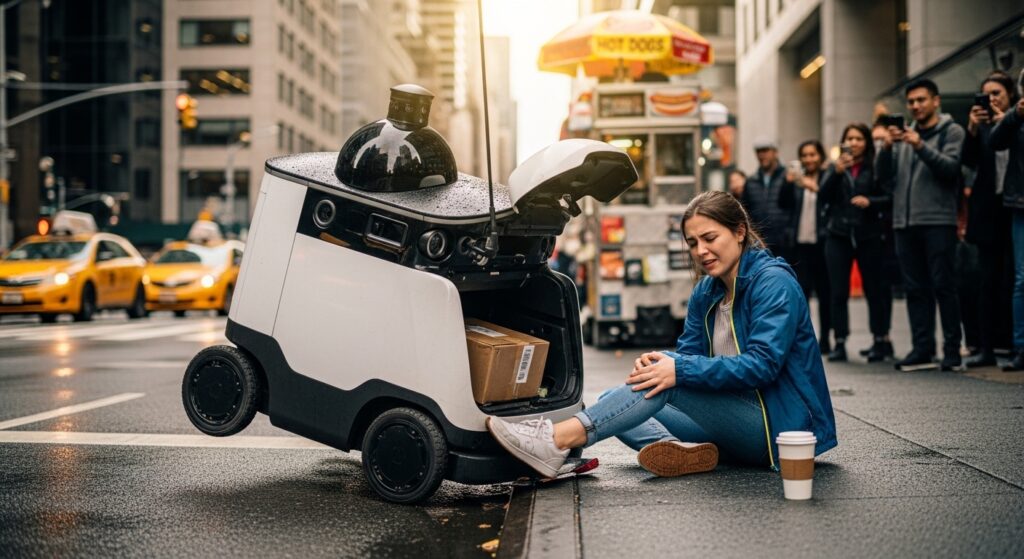
- Collisions with pedestrians, especially children or elderly individuals
- Tripping hazards caused by robots blocking sidewalks
- Property damage, such as hitting parked vehicles or storefronts
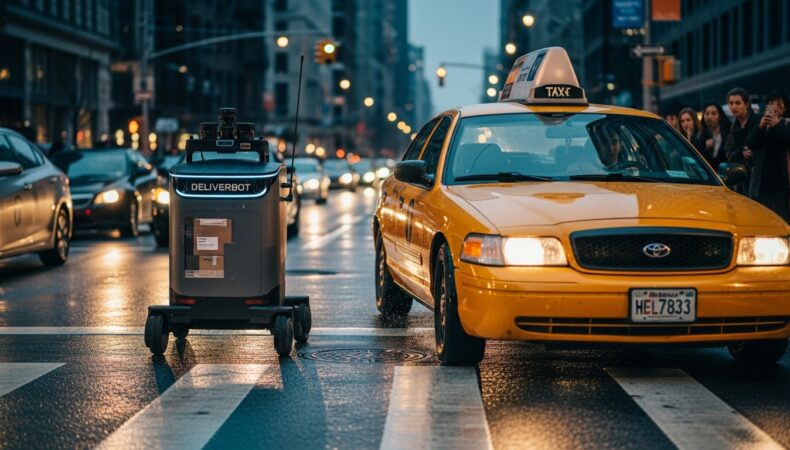
- Traffic disruptions when robots enter roadways improperly
These situations raise complex liability questions that traditional personal injury laws are still adapting to address.
Who Can Be Held Liable?
1. The Operating Company
The company that owns and deploys the robot is often the first party considered liable. If the robot malfunctions or operates unsafely due to poor maintenance or inadequate monitoring, the company may be held responsible.
This is similar to how businesses are liable for accidents caused by their employees or equipment.
2. The Manufacturer
If the accident was caused by a design flaw or manufacturing defect, the robot’s निर्माता could face product liability claims. This includes issues such as:
- Faulty sensors or navigation systems
- Software glitches that impair decision-making
- Mechanical failures
In such cases, victims may pursue compensation under product liability laws.
3. Software Developers
Unlike traditional vehicles, autonomous robots rely heavily on software. If a coding error or algorithm flaw leads to an accident, developers may share responsibility.
This introduces a new layer of liability rarely seen in conventional personal injury cases.
4. Third-Party Operators or Contractors
Some companies outsource monitoring or maintenance of their robots. If negligence by a third-party contractor contributed to the incident, liability could extend to them as well.
5. Local Governments
In some cases, liability may involve local municipalities. If a city allows robots to operate in unsafe conditions or fails to regulate their use properly, questions about governmental responsibility may arise.
However, claims against government entities are often more complex due to legal protections like sovereign immunity.
Legal Challenges in Autonomous Robot Cases
Determining liability in these cases is not always straightforward. Several challenges complicate the process:
- Lack of clear regulations: Laws governing delivery robots vary widely by state and are still evolving.
- Shared responsibility: Multiple parties may be involved, making it difficult to assign fault.
- Data access: Key evidence, such as robot sensor data and logs, is often controlled by companies.
Because of these complexities, victims may need experienced legal guidance to navigate their claims effectively.
What Should You Do After an Accident?
If you are involved in an accident with an autonomous delivery robot, taking the right steps can protect your rights:
- Document the scene with photos and videos
- Seek medical attention if injured
- Report the incident to local authorities
- Collect contact information from witnesses
- Identify the company operating the robot
These steps are similar to those recommended in other accident scenarios. For example, you can review our guide on mental health trauma after accidents to understand the broader impact injuries can have.
How Compensation Works
Victims of delivery robot accidents may be entitled to compensation for:
- Medical expenses
- Lost wages
- Pain and suffering
- Property damage
The amount and type of compensation depend on the severity of the injuries and the degree of fault assigned to each party.
For more information on damages, you may also explore related resources from the National Highway Traffic Safety Administration.
The Future of Robot Liability Laws
As autonomous technology continues to evolve, lawmakers are working to establish clearer regulations. Some states have already introduced rules governing robot size, speed, and operational zones.
Future legislation may include:
- Mandatory insurance requirements for robot operators
- Standardized safety protocols
- Clear liability frameworks for AI-driven devices
These changes aim to balance innovation with public safety.
Final Thoughts
Autonomous delivery robots represent an exciting step forward in technology, but they also introduce new legal challenges. When accidents occur, determining liability can involve multiple parties, including operators, manufacturers, and software developers.
As laws continue to evolve, staying informed is essential. If you or a loved one has been affected by an accident involving emerging transportation technology, understanding your legal options is the first step toward protecting your rights.
Last modified: March 30, 2026