

Gig Workers and Algorithmic Management: Who Is Liable When AI Controls Your Work?
The gig economy has rapidly evolved, with platforms like rideshare and delivery services relying heavily on artificial intelligence (AI) to manage workers. From assigning jobs to tracking performance and even deactivating accounts, algorithms now act as invisible managers. But when accidents happen or workers are harmed, a critical legal question arises: who is liable when AI is in control?
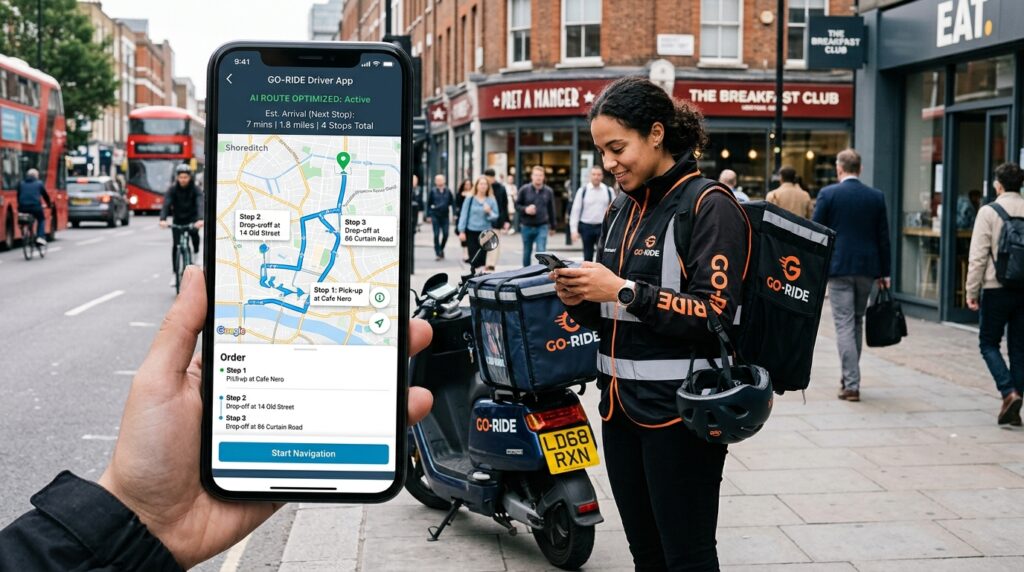
What Is Algorithmic Management in the Gig Economy?
Algorithmic management refers to the use of AI systems to oversee and control workers without human supervisors. Gig platforms use algorithms to:
- Assign delivery routes or passengers
- Track worker performance and ratings
- Determine pay and incentives
- Enforce rules and deactivate accounts
While this system improves efficiency, it also creates serious concerns about accountability—especially when decisions made by AI lead to accidents or unsafe conditions.
How AI-Controlled Work Leads to Accidents
Many gig workers face pressure from algorithm-driven systems. For example, delivery drivers may feel forced to rush due to strict time limits, while rideshare drivers may accept unsafe rides to maintain ratings.
This can result in:
- Speeding to meet delivery deadlines
- Fatigue from long hours encouraged by incentives
- Distracted driving due to constant app notifications
- Unsafe working conditions without proper support
If you want to understand how technology impacts accident claims, you can read more in our guide on Telemedicine & Virtual Healthcare in Injury Claims.

Who Is Liable When an Accident Happens?
Liability in gig economy accidents is complex because companies classify workers as independent contractors rather than employees. However, when AI systems control how work is performed, this classification is increasingly being challenged.
1. The Gig Worker
In many cases, the worker is held responsible for accidents, especially if they are considered independent contractors. This means they may be personally liable for damages.
2. The Platform Company
Companies may be held liable if it can be proven that their algorithm contributed to unsafe conditions. For example, unrealistic delivery deadlines or unsafe routing could shift responsibility toward the platform.
3. The AI System (Indirect Liability)
While AI itself cannot be sued, its design and implementation can be scrutinized. If an algorithm encourages risky behavior, the company behind it may face legal consequences.
Legal Trends in 2026: Are Gig Workers Becoming Employees?
Globally, courts and lawmakers are re-evaluating gig worker classifications. There is a growing argument that if companies control workers through algorithms, they should be treated as employers.
This shift could mean:
- Access to workers’ compensation
- Employer liability in accidents
- Stronger labor protections
- Minimum wage guarantees
These changes could significantly impact how personal injury claims are handled in gig-related accidents.

The Role of Data and Digital Evidence
One of the most important aspects of gig economy cases is digital evidence. Every action taken by a worker is recorded by the platform, including:
- GPS tracking data
- Delivery timelines
- App notifications
- Driver ratings and performance metrics
This data can be used to prove whether an algorithm contributed to unsafe behavior. Learn more about how digital evidence works in accident claims in our article on Digital Proof in Modern Accident Cases.
Can You Sue a Gig Platform for an AI-Related Accident?
Yes, but it depends on the circumstances. To build a strong case, you must show that the platform’s system contributed to the accident. This may involve:
- Proving unrealistic delivery or ride expectations
- Demonstrating lack of safety measures
- Using app data as evidence
- Showing patterns of algorithm-driven pressure
Legal experts are increasingly focusing on how AI influences worker behavior, making this a growing area of personal injury law.
External Perspective: The Global Debate on AI Liability
According to global labor studies and legal experts, algorithmic management is reshaping employment law. Governments are now exploring regulations to ensure companies remain accountable for AI-driven decisions.
For more insights, you can refer to resources from International Labour Organization, which discusses worker protections in digital economies.
What Gig Workers Should Do After an Accident
If you are involved in an accident while working in the gig economy, take these steps:
- Document everything (screenshots, app activity, messages)
- Seek medical attention immediately
- Report the incident through the platform
- Consult a personal injury lawyer
Preserving digital evidence is especially important in cases involving AI management.
The Future of Gig Work and Liability
As AI continues to evolve, the line between independent contractor and employee will become increasingly blurred. Courts are expected to play a major role in defining liability in algorithm-driven workplaces.
For accident victims, this could mean better protections and clearer paths to compensation.
Final Thoughts
Algorithmic management is transforming the gig economy, but it also raises serious legal questions. When AI systems influence worker behavior, responsibility can no longer fall solely on the individual.
Understanding how liability works in these cases is essential for both workers and accident victims. As laws evolve, gig workers may gain stronger rights—and companies may face greater accountability for the systems they create.
Last modified: March 30, 2026