

How Social Media Use After an Accident Can Affect You
Social media plays a major role in daily life, especially after a stressful event like an accident. Many people turn to platforms to share updates, connect with others, or process what happened. However, posting too soon or too much may affect both your emotional recovery and any legal claim related to the incident.
Understanding the connection between online activity, mental health, and legal outcomes may help you avoid unnecessary complications during recovery.
The Emotional Impact of Social Media After an Accident
After an accident, emotions may feel overwhelming. Some individuals experience anxiety, fear, or confusion. Social media may seem like a helpful outlet, but it can sometimes intensify those feelings.
Comparison and External Pressure
Seeing others post positive or unrelated content may create a sense of isolation. You may feel that others do not understand your situation. This emotional gap can increase stress and slow down recovery.
Unwanted Feedback and Comments
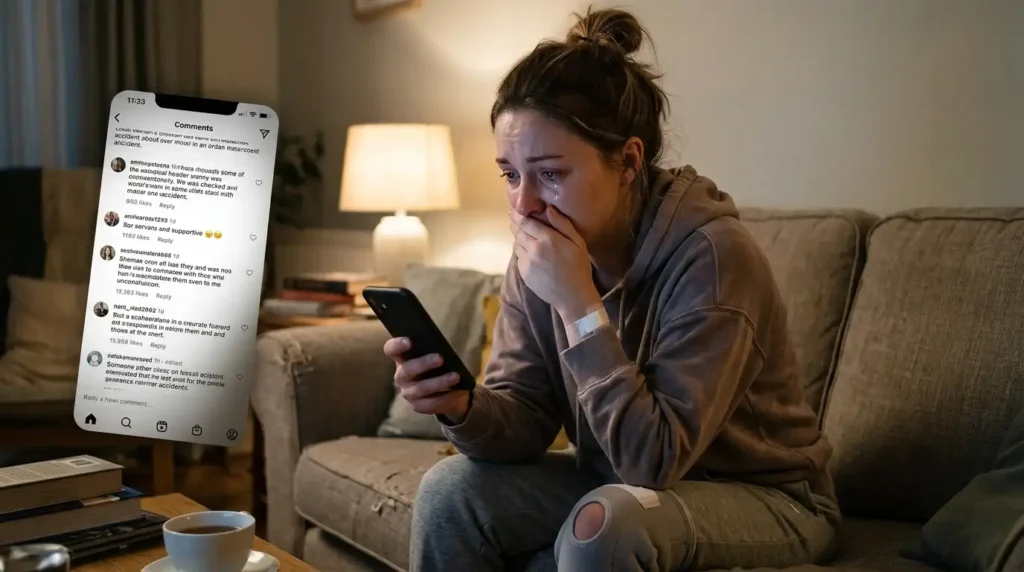
Posting about an accident may invite responses that are not always supportive. Some comments may question your experience or minimize your feelings. This can add emotional strain during an already difficult time.
How Social Media Posts Can Affect a Legal Claim
What you post online may become part of a legal review. Insurance companies and opposing parties sometimes examine social media activity to understand your condition and actions after the accident.
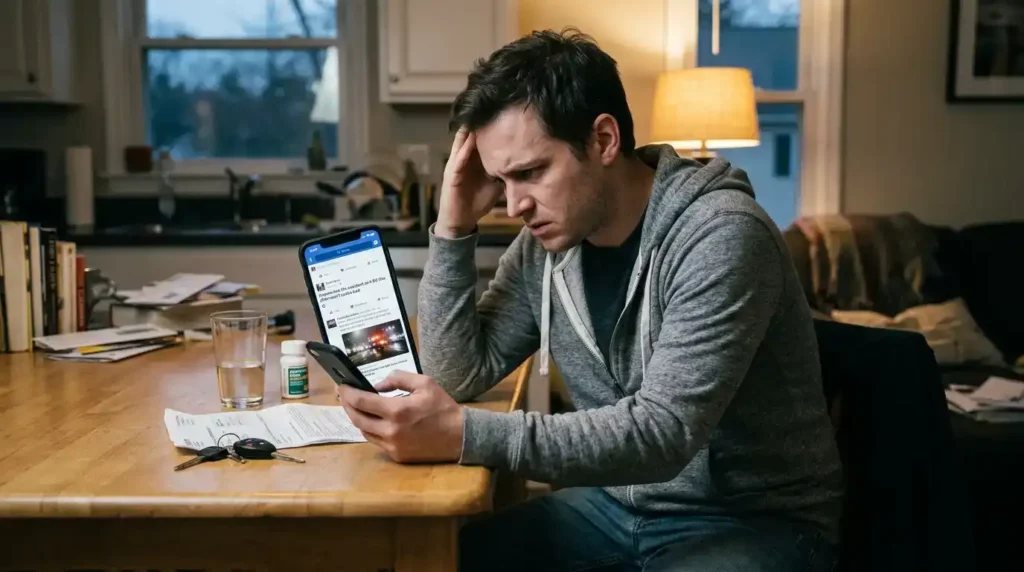
For example, posting photos or updates that suggest physical activity or emotional stability may be interpreted differently than intended. Even harmless posts may raise questions about the severity of your injuries or trauma.
According to research from the National Institutes of Health, digital behavior can influence stress levels and perception of recovery, which may indirectly impact how cases are evaluated.
Common Social Media Mistakes After an Accident
Many individuals unknowingly make mistakes online that may affect both mental health and legal matters.
- Posting accident details immediately without full clarity
- Sharing photos or videos from the scene
- Discussing injuries or recovery inconsistently
- Engaging in arguments or public discussions about the incident
These actions may create confusion or misinterpretation later.
Steps You May Consider Before Posting
Taking a thoughtful approach to social media use may help reduce risk and stress.
Pause Before Sharing
Give yourself time to process the situation before posting. Immediate reactions may not reflect your full experience.
Limit Personal Details
Avoid sharing sensitive information about injuries, treatment, or legal steps. Keeping details private may prevent misinterpretation.
Review Privacy Settings
Adjusting account settings may help control who sees your posts. While not foolproof, it may add an extra layer of protection.
The Link Between Digital Activity and Mental Recovery
Social media exposure may influence emotional healing. Constant notifications, messages, or reminders of the accident may delay recovery.
Studies from the American Psychological Association suggest that limiting screen time after traumatic events may support better mental health outcomes.
Taking breaks from social platforms may help you focus on rest, medical care, and emotional support.
Finding Healthier Alternatives
Instead of relying on social media, you may explore other ways to cope with the aftermath of an accident.
- Talking with trusted friends or family members
- Seeking professional counseling
- Journaling thoughts and emotions privately
- Engaging in relaxation or mindfulness activities
These approaches may support a more stable and private recovery process.
How This Relates to Mental Health Trauma
Emotional trauma after an accident may not always be visible. Social media can sometimes mask or distort what a person is going through.
Understanding how digital behavior interacts with trauma may help individuals make better decisions during recovery.
For more insights on trauma after accidents, you may read mental health trauma resources available on this site.
Final Thoughts
Social media may feel like a natural place to share experiences after an accident. However, it may also introduce emotional and legal challenges. Being mindful of what you post and how often you engage online may help protect your well-being and avoid complications.
Focusing on recovery, both mentally and physically, may offer a more balanced path forward.
Last modified: April 28, 2026