
Autonomous Delivery Robots Are Raising New Personal Injury Concerns
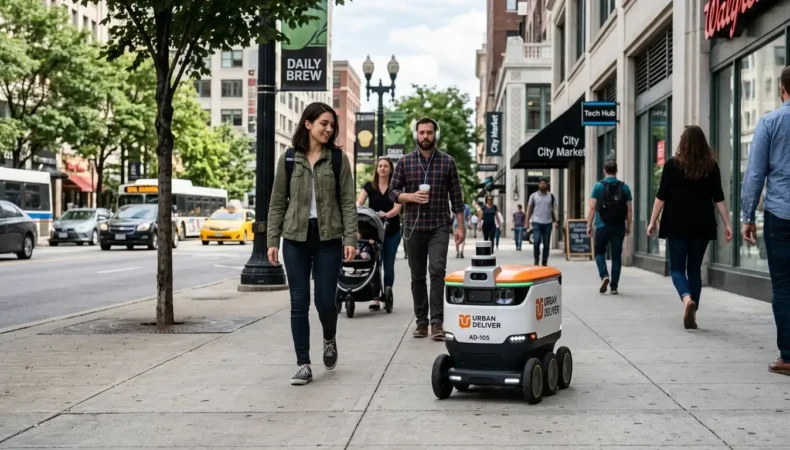
Autonomous delivery robots are becoming increasingly common in cities, college campuses, and neighborhoods across the United States. These small robotic delivery devices are designed to transport food, groceries, and packages without human drivers.
While the technology offers convenience and efficiency, it is also raising new legal and safety concerns. As robotic delivery systems expand, reports involving autonomous delivery robot injuries and pedestrian accidents are beginning to attract attention.
Companies continue investing heavily in automated delivery technology as demand for faster delivery services grows.
How Autonomous Delivery Robots Work
Most delivery robots use cameras, sensors, GPS systems, and artificial intelligence to navigate sidewalks and streets. Some operate independently, while others are remotely monitored by human operators.
These robots are commonly used for:
- Food delivery
- Grocery delivery
- Campus transportation services
- Retail package delivery
Despite built-in sensors and obstacle detection systems, these robots can still malfunction or create hazards for pedestrians.
Common Injury Risks Linked to Delivery Robots
Trip and Fall Accidents
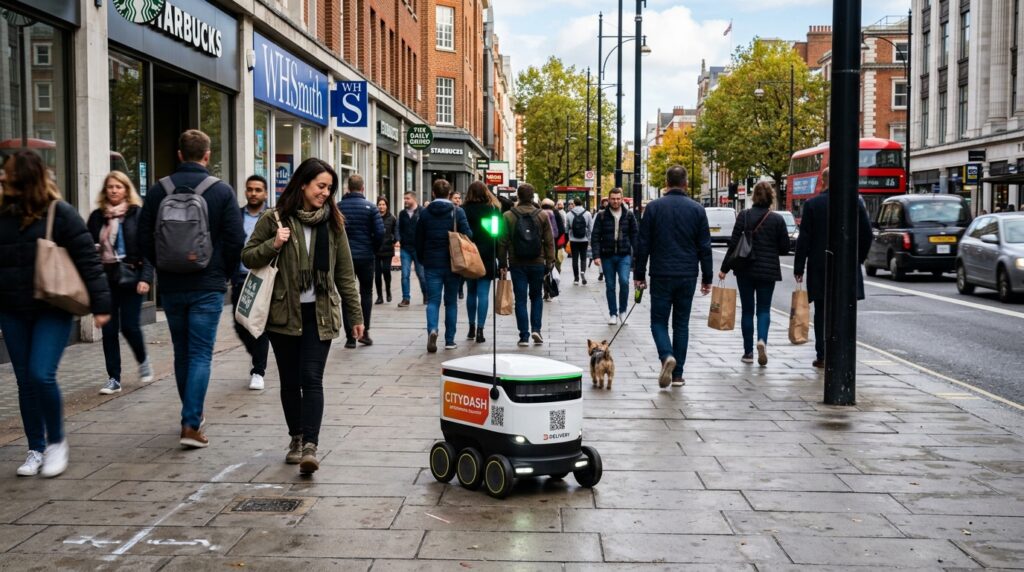
One of the biggest concerns involves pedestrians tripping over robots blocking sidewalks or moving unpredictably.
Collisions With Pedestrians
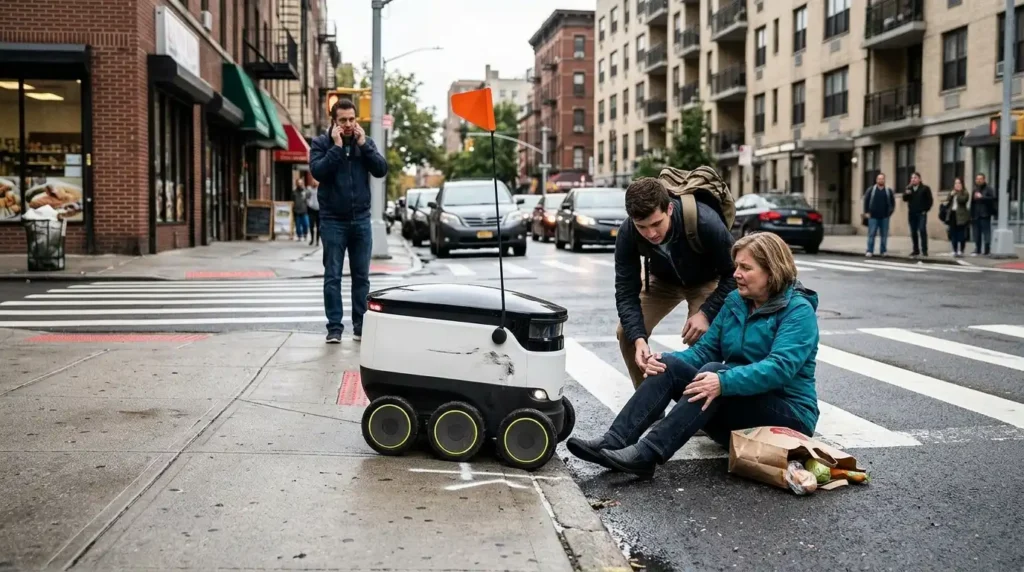
Although many robots move slowly, collisions with elderly individuals, children, or disabled pedestrians may still lead to injuries.
Malfunctions and Software Errors
Like other automated systems, delivery robots rely heavily on software. Navigation errors or sensor failures could increase accident risks.
Accessibility Concerns
Advocacy groups have also raised concerns about delivery robots interfering with wheelchair users and visually impaired pedestrians.
Who Could Be Liable After a Robot Injury?
Liability in autonomous delivery robot cases may become complicated because multiple parties could potentially share responsibility.
Technology Companies
Manufacturers and software developers may face claims involving defective navigation systems or programming errors.
Delivery Service Providers
Businesses operating the robots may also face liability if they failed to properly monitor or maintain equipment.
Property Owners
In some situations, businesses or property owners allowing robots on their premises may share responsibility.
For more on emerging injury trends involving technology, see our Self-Driving Car Liability Explained article.
How Courts May Handle Autonomous Robot Cases
Because autonomous delivery robots are relatively new, courts are still determining how existing personal injury laws apply.
Some cases may involve:
- Negligence claims
- Product liability claims
- Premises liability issues
- Technology-related liability disputes
These legal questions mirror issues already developing around autonomous vehicles and AI technology.
What Victims Should Do After an Accident
Seek Medical Attention
Even seemingly minor injuries should be evaluated by medical professionals.
Document the Incident
Take photos of the robot, surrounding area, injuries, and any visible hazards.
Identify Witnesses
Witness statements may help clarify how the accident occurred.
Report the Incident
Notify the business or delivery service operating the robot.
The National Highway Traffic Safety Administration and other agencies continue monitoring emerging automated transportation technologies.
Technology and Personal Injury Law Continue to Evolve
New technologies often create legal gray areas before regulations catch up. Autonomous delivery robots are no exception.
As more cities adopt robotic delivery systems, lawmakers and courts may introduce additional safety rules and operational standards.
You can also explore our guide on Product Liability and Accident Claims to understand how defect-related injuries may apply in technology cases.

Could Delivery Robots Become More Regulated?
Several states already regulate where delivery robots may operate and how fast they can travel. Future laws may address:
- Robot speed limits
- Pedestrian right-of-way rules
- Insurance requirements
- Remote operator standards
- Data and surveillance concerns
As these devices become more common, additional oversight may become necessary to improve pedestrian safety.
Final Thoughts
Autonomous delivery robots represent another example of technology reshaping daily life and personal injury law. While these devices offer convenience, they may also introduce new injury risks involving pedestrians, accessibility, and public safety.
Understanding how liability may apply after a robot-related accident can help victims better navigate evolving legal challenges connected to emerging technology.
Last modified: June 5, 2026