
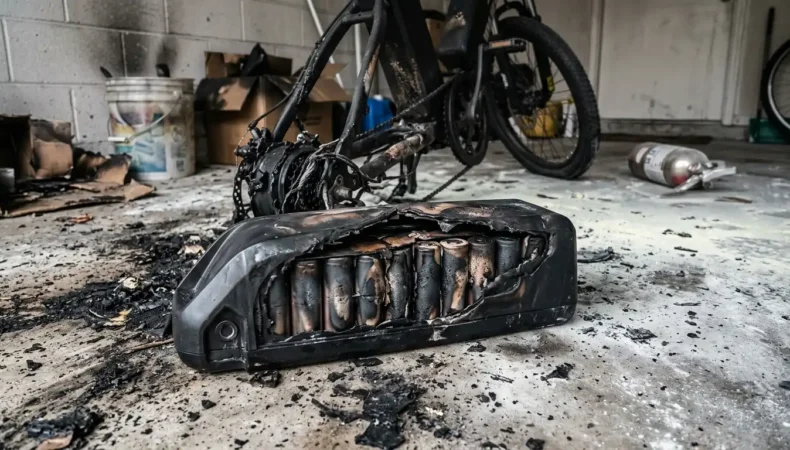
Lithium-ion battery fires are becoming a growing safety concern across the United States. From e-bikes and electric scooters to smartphones and power banks, these batteries power many everyday devices. However, when defective or damaged lithium-ion batteries overheat, they can explode or catch fire, causing devastating injuries and property damage.
As these incidents increase, more victims are pursuing lithium-ion battery fire injuries claims against manufacturers, distributors, landlords, and other potentially responsible parties.
According to the National Fire Protection Association, lithium-ion battery fires have become a growing issue due to the rise in micromobility devices like electric bikes and scooters.
Why Lithium-Ion Battery Fires Are Increasing
Electric transportation and portable devices have become more common in recent years. Many products rely on lithium-ion batteries because they are lightweight and rechargeable. However, defects in manufacturing, charging systems, or battery design can cause thermal runaway, a chain reaction that leads to overheating and fire.
Battery-related fires often happen while devices are charging indoors, which can trap victims inside homes or apartments during rapidly spreading fires.
Common Devices Linked to Battery Fires
- E-bikes
- Electric scooters
- Hoverboards
- Smartphones
- Power banks
- Laptops
- Electric tools
Many incidents involve uncertified replacement batteries or chargers that fail to meet safety standards.
Serious Injuries Linked to Lithium-Ion Battery Fires
Lithium-ion battery explosions can cause catastrophic injuries. Unlike ordinary fires, battery fires can ignite quickly, release toxic smoke, and reignite unexpectedly.

Burn Injuries
Victims may suffer severe thermal burns that require surgeries, skin grafts, and long-term rehabilitation. Burns from battery explosions often affect the hands, face, and upper body.
Smoke Inhalation
Toxic fumes released during battery fires can damage the lungs and respiratory system. Smoke inhalation injuries may require emergency treatment and long-term monitoring.
Traumatic Injuries
Exploding batteries can also send debris flying at high speeds. Victims may suffer eye injuries, lacerations, fractures, or hearing damage.
Emotional Trauma After Fires
Many survivors experience emotional distress, anxiety, and trauma after escaping apartment fires or witnessing explosions. Psychological injuries are often part of personal injury claims involving major fire incidents.
Who May Be Liable for Lithium-Ion Battery Injuries?
Several parties may potentially share liability depending on how the fire occurred.
Manufacturers
If the battery or device contained a design defect or manufacturing flaw, the company that made the product may face liability.
Retailers and Distributors
Businesses that sold dangerous or recalled products may also face claims in some situations.
Landlords and Property Owners
In apartment fires, landlords may face liability if they failed to maintain safe electrical systems or ignored fire hazards.
For more information about liability issues, see our Product Liability and Accident Claims guide.
What Victims Should Do After a Battery Fire Injury
Taking immediate steps after an accident may help protect both health and legal rights.
Seek Medical Care Immediately
Even minor burns or smoke exposure can become serious later. Medical documentation may also become important evidence.
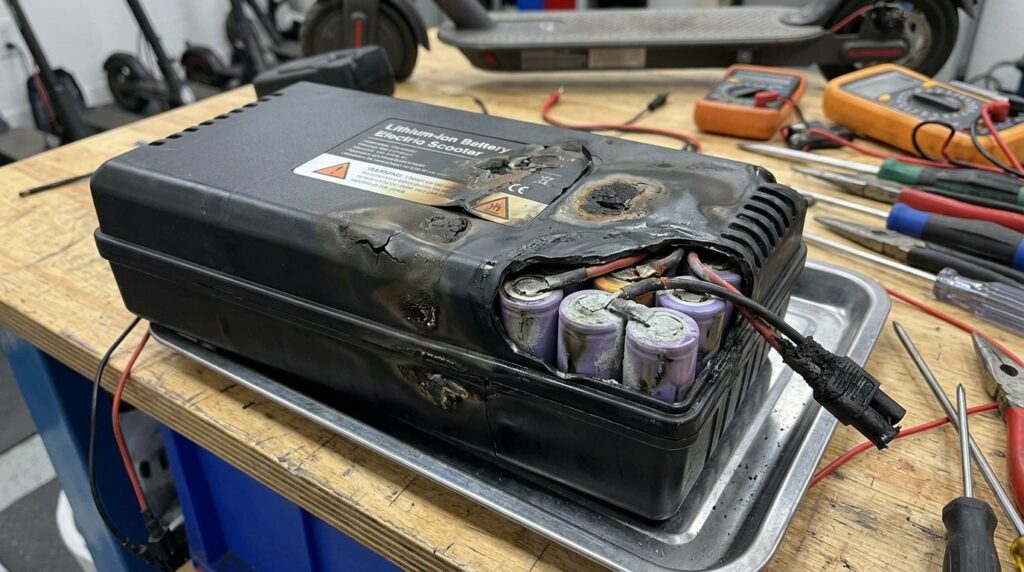
Preserve the Device
If possible, keep the damaged battery, charger, or device. Investigators may use it to determine what caused the fire.
Document the Scene
Take photos of injuries, fire damage, and the product involved. Save receipts and purchase information when available.
Check for Product Recalls
The Consumer Product Safety Commission regularly announces recalls involving dangerous lithium-ion batteries and charging systems.
How Product Liability Laws Apply
Many lithium-ion battery injury cases fall under product liability law. Victims may allege:
- Defective design
- Manufacturing defects
- Failure to warn consumers
- Unsafe charging systems
- Lack of proper safety testing
These cases often require technical investigations involving engineers, fire experts, and product safety specialists.
E-Bike Popularity Is Increasing Fire Risks
E-bikes have become especially linked to battery fire incidents because of larger battery packs and frequent charging cycles. Cities like New York have reported a rise in apartment fires involving e-bike batteries.
As electric transportation continues growing, personal injury claims involving battery fires may also increase.
You can also read our article on Self-Driving Car Liability Explained to learn how new technology is changing personal injury law.

Can Victims Pursue Compensation?
Victims injured in lithium-ion battery fires may pursue damages for:
- Medical expenses
- Lost income
- Pain and suffering
- Property damage
- Emotional distress
- Long-term rehabilitation
The value of a claim often depends on injury severity, liability evidence, and long-term medical impact.
Final Thoughts
Lithium-ion battery fires are becoming one of the fastest-growing product safety issues connected to personal injury claims. As more people rely on electric devices and transportation, awareness about battery safety becomes increasingly important.
Understanding the causes of these fires and knowing what steps to take after an accident may help victims protect their health and legal rights after a serious injury.
Last modified: May 13, 2026